Site Architecture
Professional Organizations UX
Heuristic Evaluation
Navigation Design
Overview
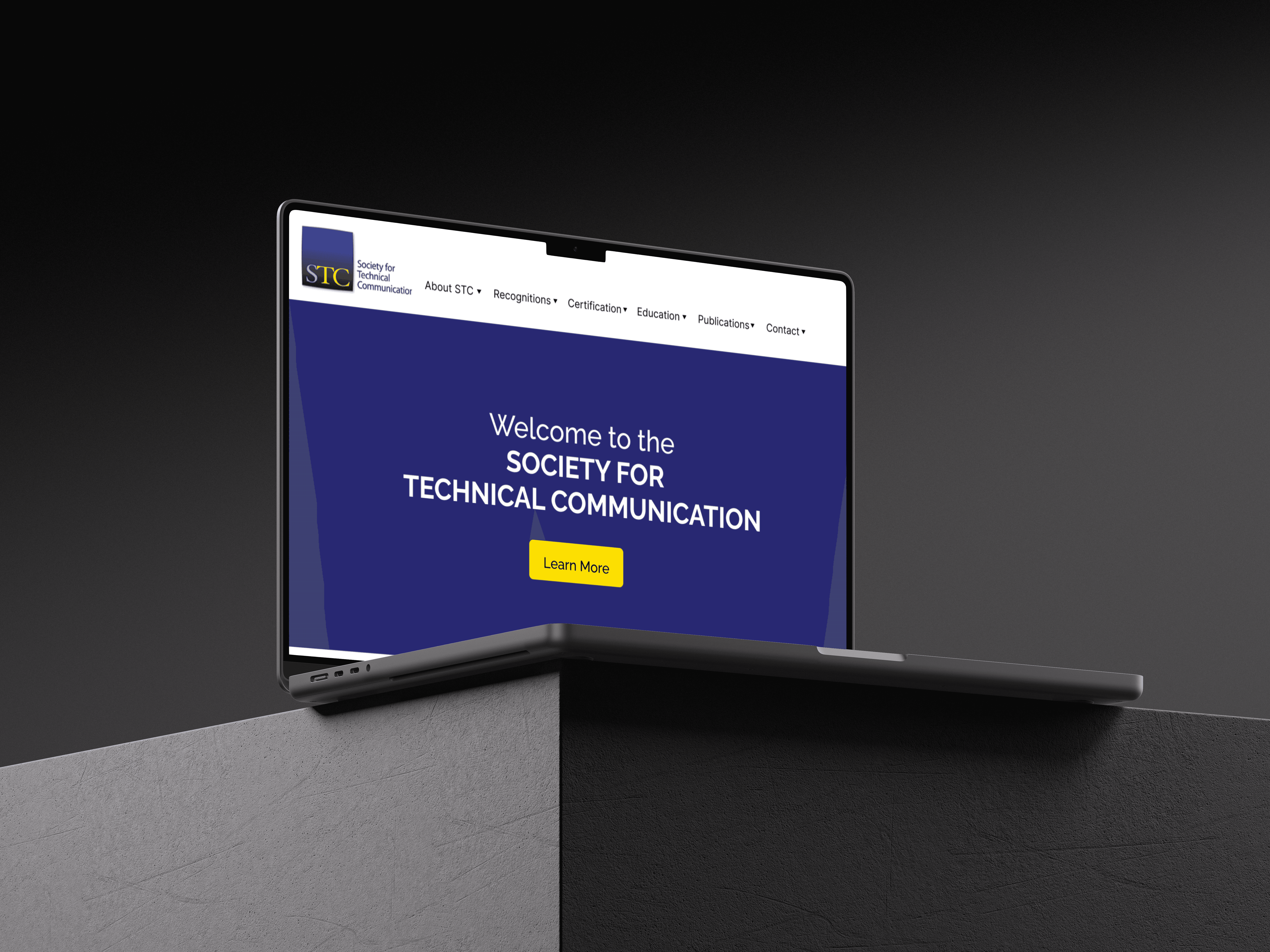
The Society for Technical Communication website supports thousands of technical communicators through resources, events, and membership services. However, outdated navigation and fragmented content made it difficult for users to locate key information. I performed a UX evaluation and recommended IA and navigation improvements to streamline the user experience.
High-Level Outcomes:
Identified major navigation inconsistencies
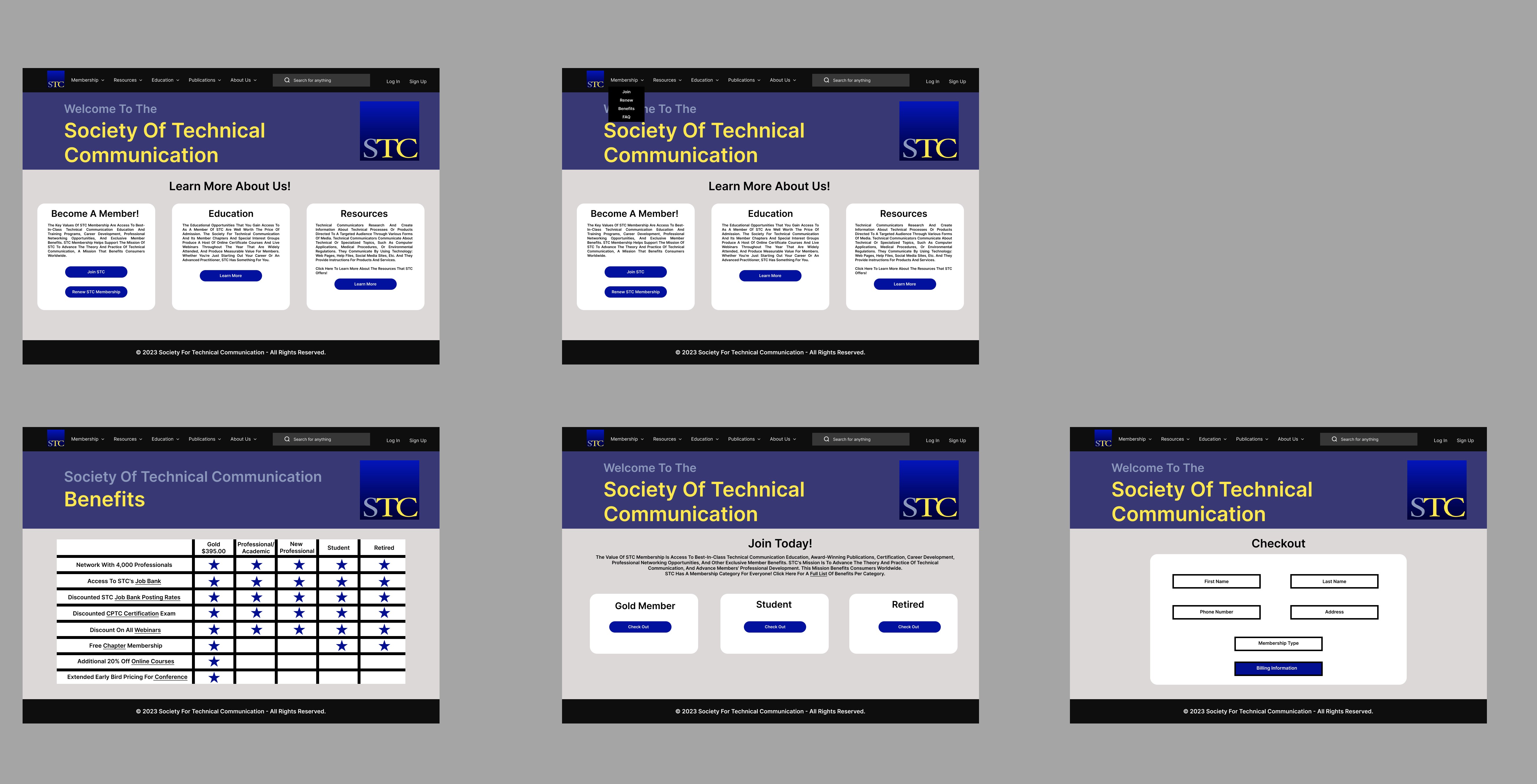
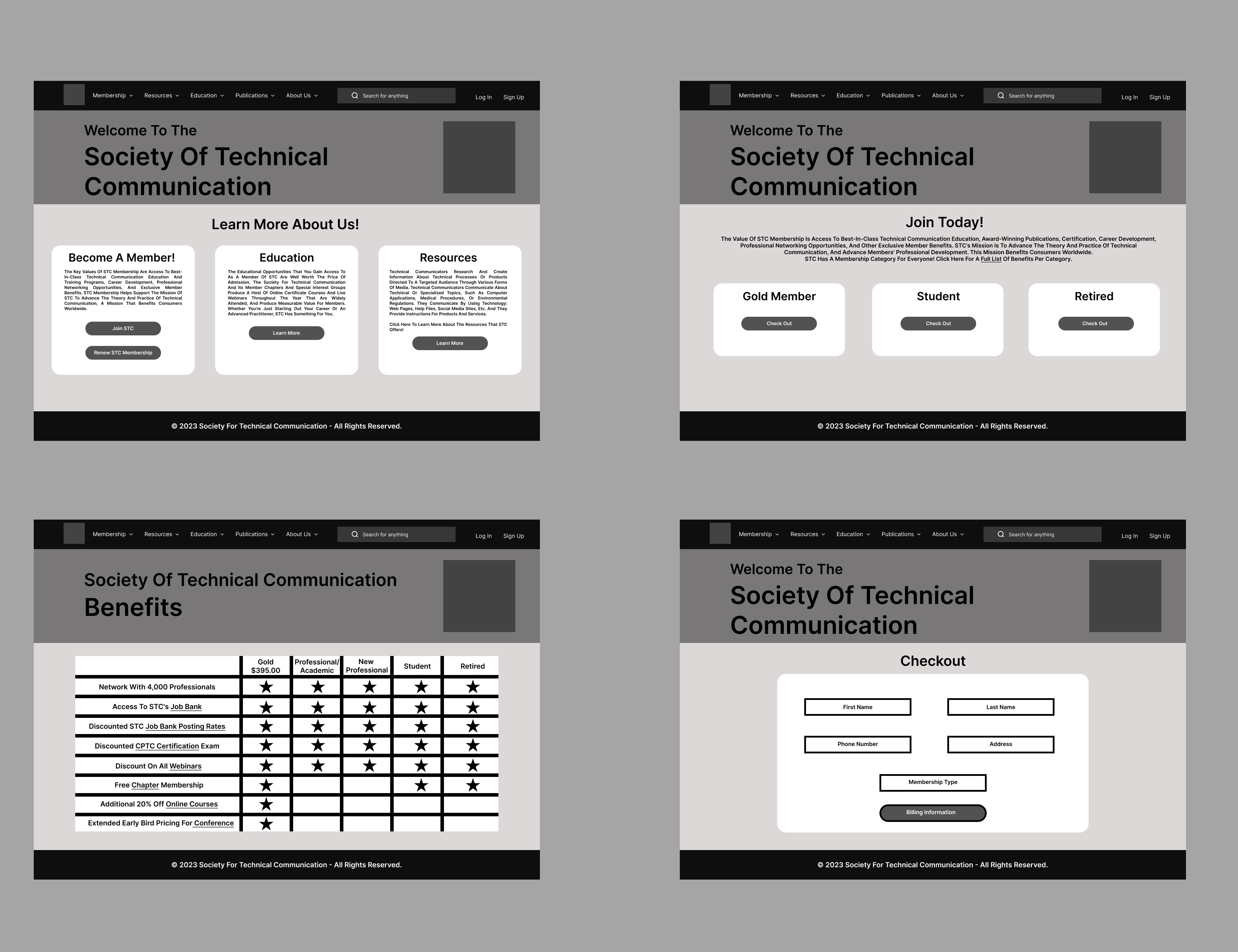
Proposed a reorganized IA and menu structure
Improved content clarity for membership and certification pathways
Business Problem
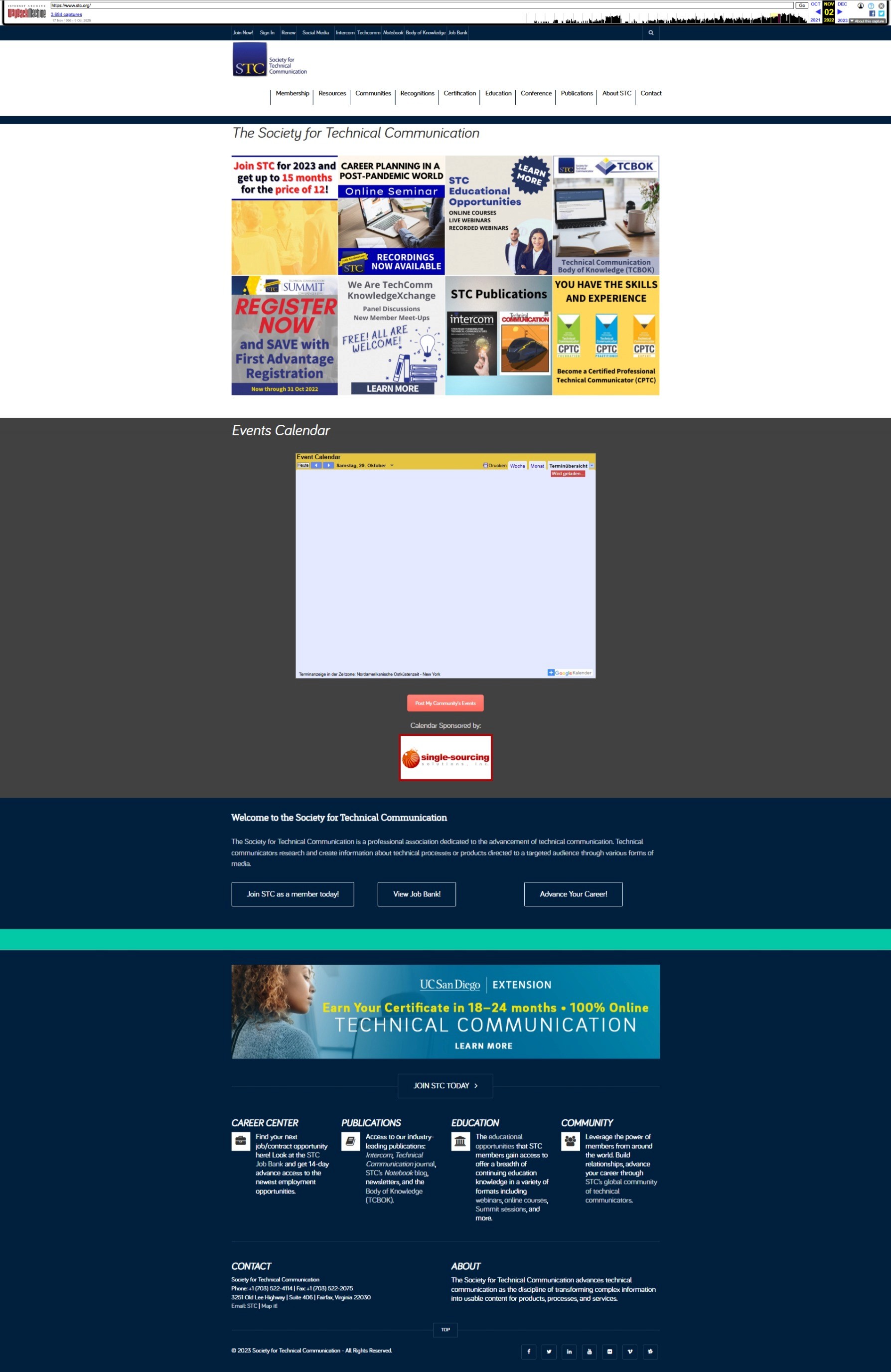
STC’s website serves prospective members, students, and professionals — but unclear structure resulted in:
Difficulty finding membership info
Low engagement with key resources
Confusion around certification and events
High Bounce Rates throughout the website
Business Objective: Simplify content pathways and improve clarity around STC’s core offerings.
Research Questions
Can users easily locate membership benefits and pricing?
Are learning resources intuitive to find and navigate?
Which parts of the site cause confusion or dead-ends?
Does the current IA reflect user priorities and mental models?
Research Methods
Approach: Heuristic evaluation + content audit + light user testing
Participants: 1 unmoderated user tester on UserTesting.com
Tools: Figma, Miro, UserTesting.com
Tasks Observed:
Expected improvements include:
Heuristic Evaluation Report
Content Inventory
Revised IA Map
Proposed Navigation Menu
Artifacts Produced:
Usability Test Plan
Moderation Script (Unmoderated Usability Test)
Recommendations Report
Formal Usability Report (for client)
Presentation (for client)
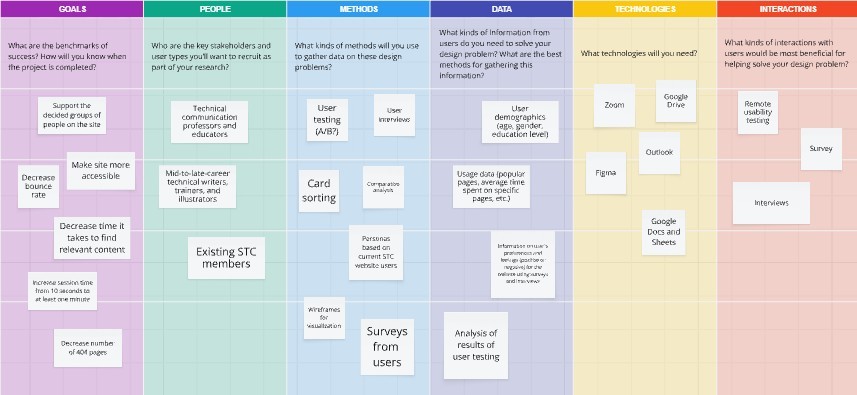
Figure 1: UX Project Plan for STC Website Redesign
Personas
After interviews with practitioners and the usability testing, we were able to identify several issues, and pain points that users were experiencing while using the website.
In understanding this information from the interviews and usability testing, we developed 4 different personas.
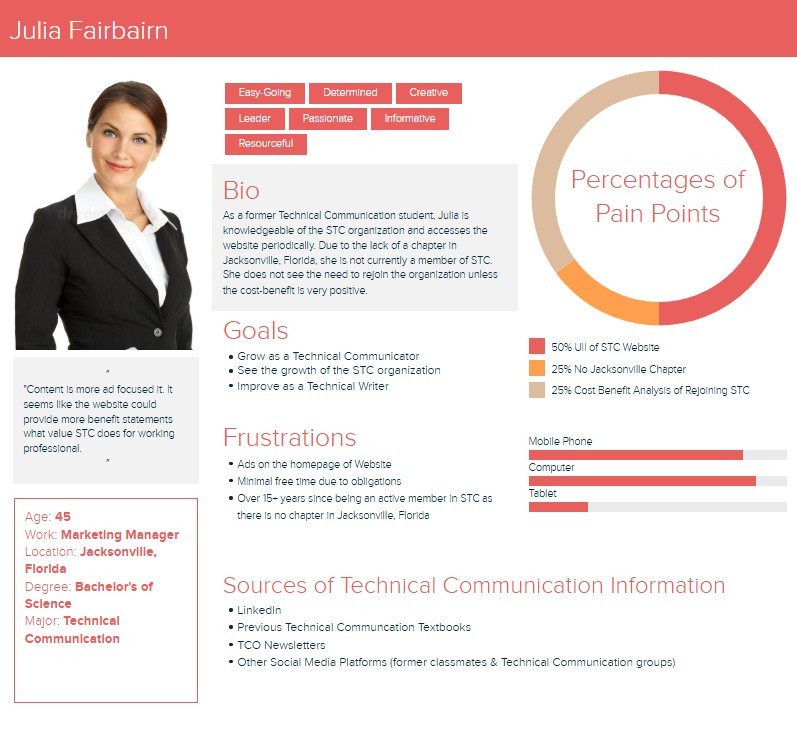
Figure 2: Persona representing a former STC member
Impact
Expected improvements include:
Membership conversions
Engagement with learning resources
User trust and clarity
Navigational efficiency across the site
Reflection
Key lessons from this case study include recognizing that:
Clear IA is foundational for professional organizations.
Users benefit from predictable, consistent navigation models.
Strong content strategy supports brand reliability and credibility.
Future Opportunities/Areas of Improvement
There were a few limitations/areas of improvement that I identified during the study, as well potential fixes for said limitations:
Limited Unmoderated Usability Tests
Suggestion: We were only able to get a few unmoderated tests completed due to lack of time. I would have requested for more time to dedicate to testing, which would provide more insight into how users would interact with the website.
More In-Depth Prototype/Wireframe
Suggestion: Due to lack of time, we were only able to provide a very surface-level prototype to the clients. In a perfect scenario, we would have preferred to do a more complete prototype while suggesting the need for a design system.
Other Projects

Skelton Primo Interface Usability Study
Improved Mercer University’s Skelton Primo library interface by identifying usability barriers and recommending redesigns that reduced user abandonment.
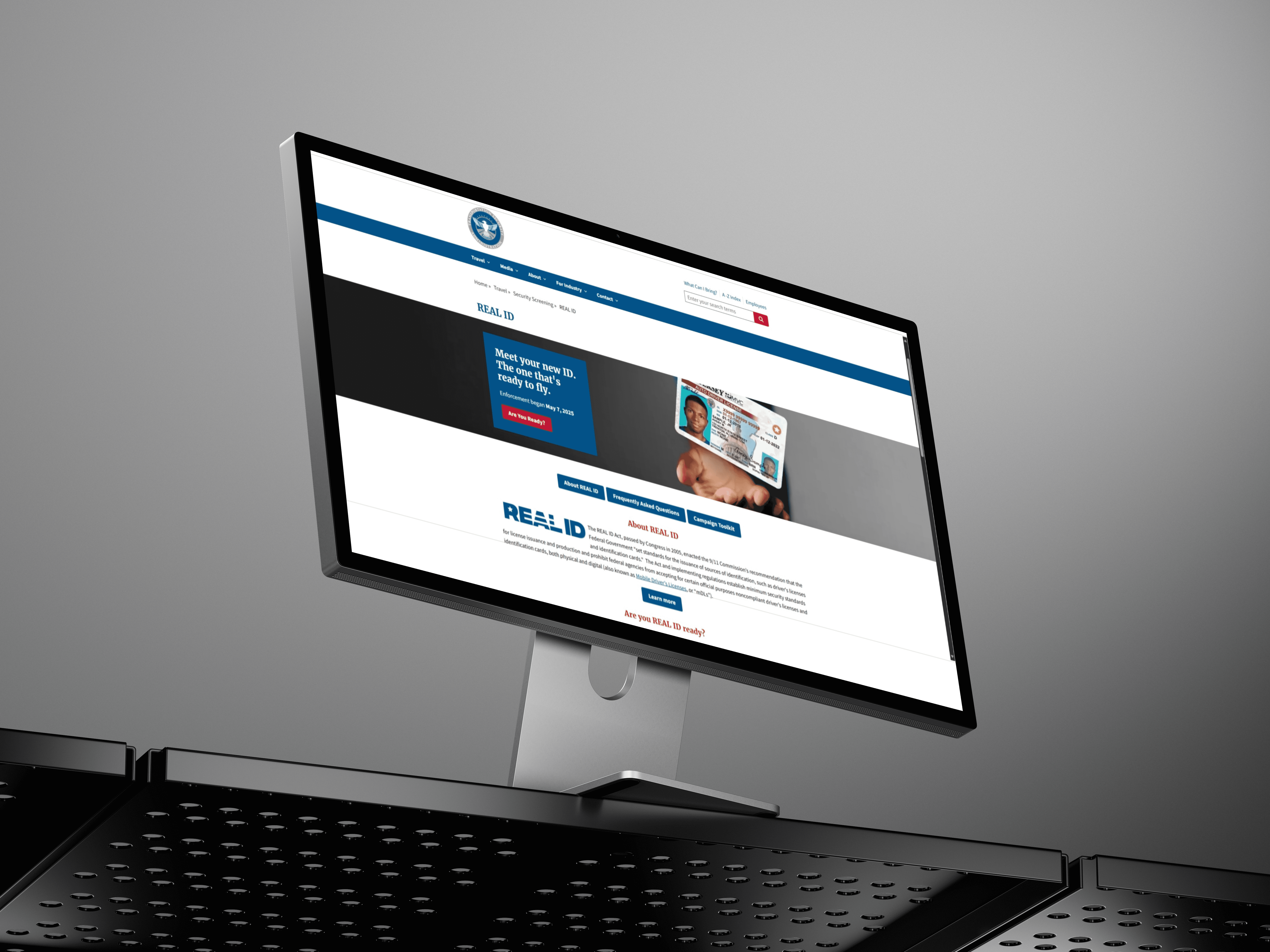
Department of Homeland Security REAL ID Usability Study
Delivered five usability-driven recommendations for Department of Homeland Security’s REAL ID microsite, enhancing navigation consistency, content clarity, and accessibility.